


Commercial Strategy for Life Science Technology Companies
You’ve proven the science and you’ve got traction. Now you need to focus: who to prioritize, how to reach them, and how to position to win.
Luna LifeSci does that work, built on a decade of doing it firsthand, from first customers to fundraising and scale.
Turning Proven Technology Into Commercial Traction
We work with companies that have proven their technology and are figuring out how to scale it commercially. That spans research tools, lab hardware, software and data platforms, diagnostics, and the enabling technologies that unlock preclinical and basic research.
Early traction with researchers is not a commercial strategy. The two most expensive mistakes life science companies make happen before a single deal closes: chasing the wrong customer segment, and pitching in language that scientists understand but the people who control budgets do not. We help you avoid both, and we do it from experience rather than theory.
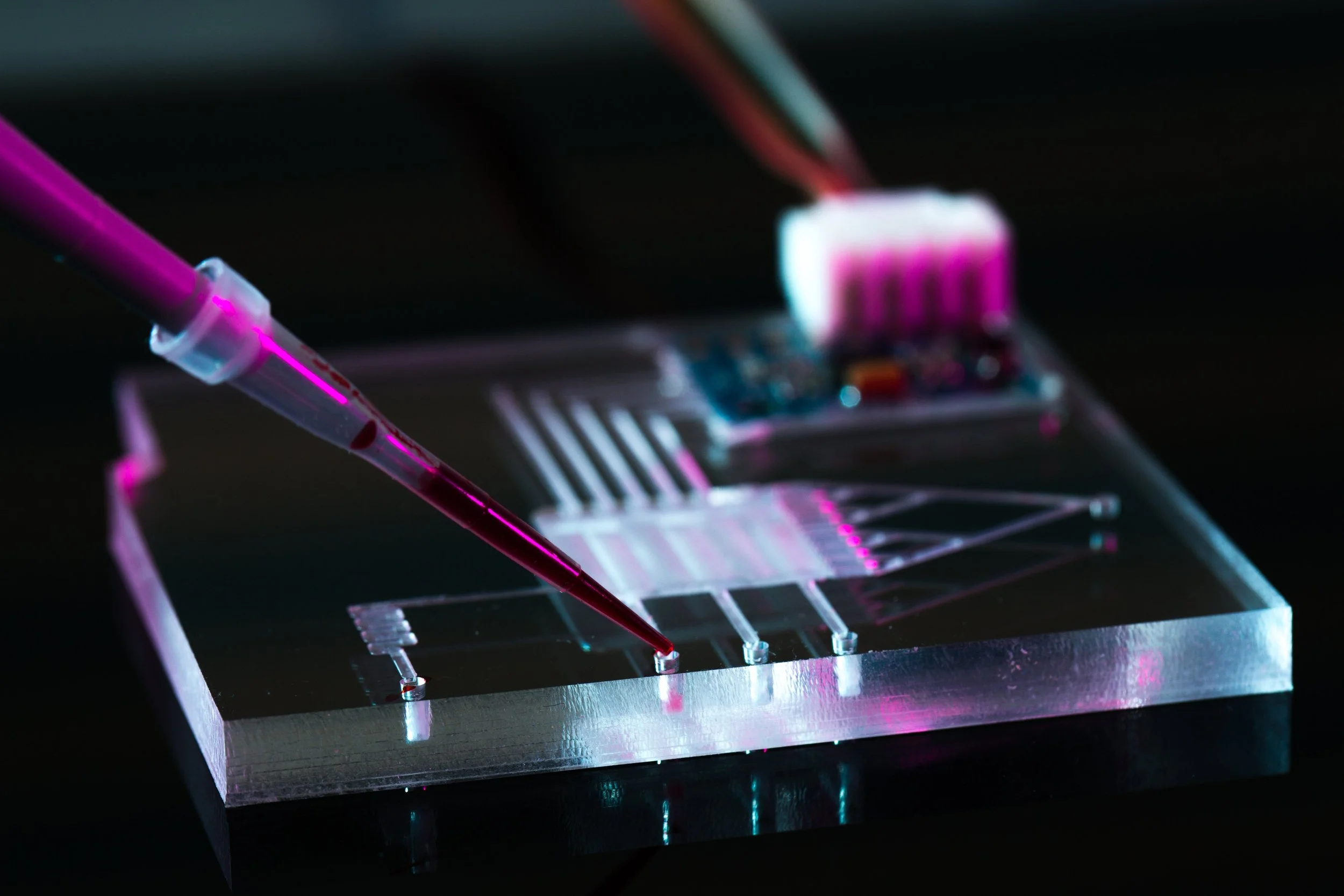
*Image from Ota et al, Analytical Science, 2019.
Navigating the Future of Drug Development
The FDA, NIH, and major pharma are moving away from animal models, and the companies that establish themselves as leaders now will define the category. Most NAMs and MPS companies have the science. What they lack is a clear commercial path: which programs are ready to adopt their platform, how to turn assay performance into language that moves a decision-maker, and what a credible partnership proposal looks like at their stage.
We have built and sold organ-on-a-chip platforms to nearly every top-25 global pharma company. We have sat on both sides of these conversations, and we know what moves them forward.
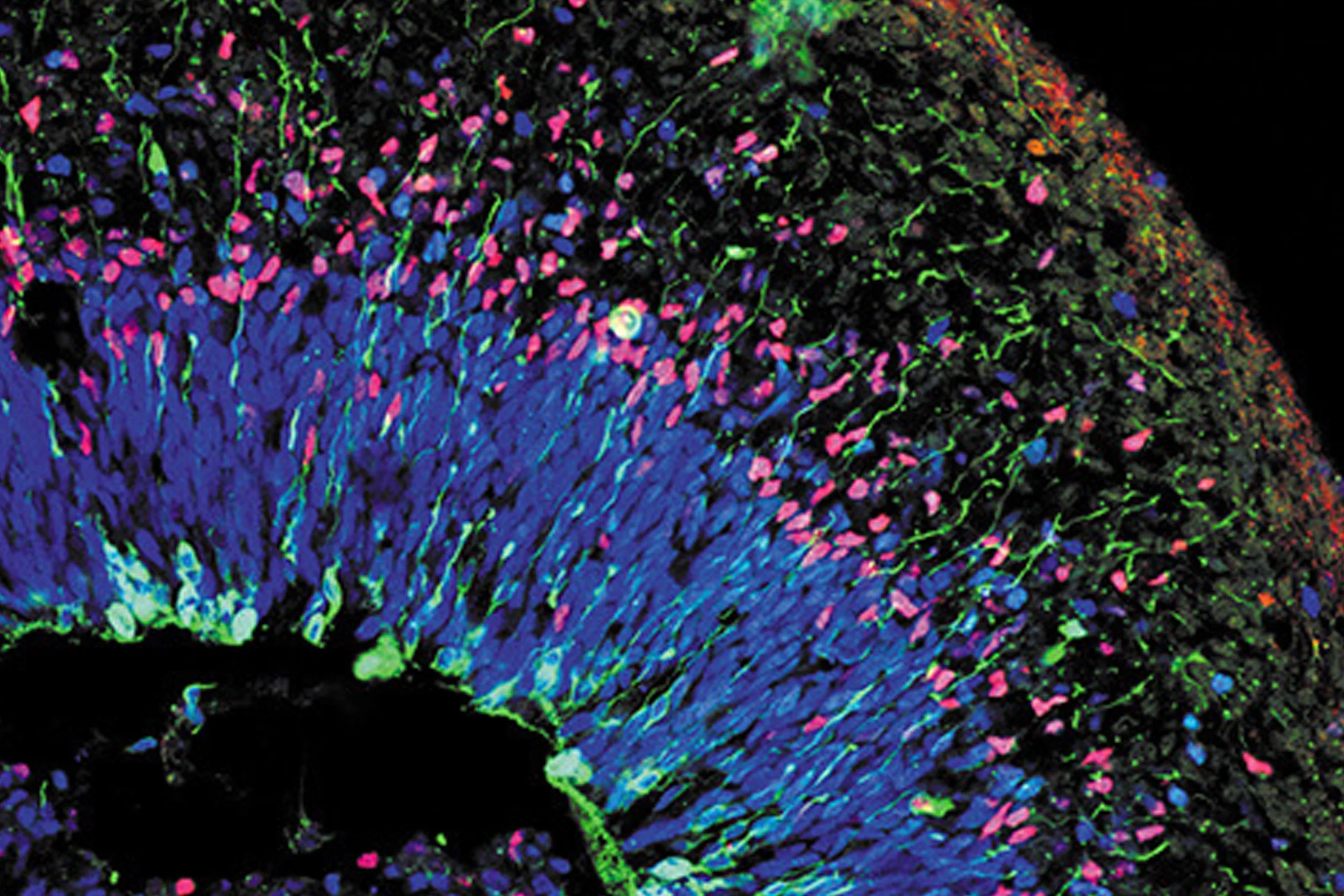
*Image from Watanabe, et al. Stem Cell Reports, 2022


-
Principal
A scientist by training, Lowry built AxoSim from a university spinout into the industry's leading neural organ-on-a-chip platform, raising venture capital and signing nearly every top-25 global pharma company as a customer. As founder and CEO, he directed commercial strategy and owned the product roadmap, licensing IP from Johns Hopkins, UC San Diego, and Tulane, and leading multiple acquisitions to expand the portfolio.
He has been on both sides of every early commercial conversation: the founder who did not know which customer to chase first, and the operator who eventually learned how to win the right ones. That decade of firsthand experience is what he brings to every engagement.
Along the way, Lowry has authored 6 patents, more than 20 publications, and over 100 commercial and scientific presentations.
-
Biomedical Engineer
William has deployed organ-on-a-chip platforms across kidney, liver, blood-brain barrier, bone marrow, vasculature, colon, and tumor microenvironment models at Emulate Bio and Aracari Biosciences. He knows what it takes to get a NAMs platform through customer validation and integrated into routine use, which is where most platforms stall.
His work spans the full product lifecycle, from assay development and platform validation to customer onboarding, training, and scientific support. That range is useful for clients thinking about how their technology meets a customer’s workflow, not just their biology.
William holds a B.Sc. and M.Sc. in Biomedical Engineering from Tulane University.
Publications & News
-
-
-
FDA phases out animal testing for monoclonal antibodies drugs (April 2025)
FDA publishes roadmap to replace animal testing in drug development (May 2025)
NIH reforms funding policies to require human-relevant testing (July 2025)
Pharma backed Validation and Qualification Network (VQN) accelerates adoption of alternative methods (Aug 2025)
NIH launches Standardized Organoid Modeling (SOM) Center with $87M to drive NAMs adoption (Sept 2025)
First FDA IND milestone achieved using human organoid data (Oct 2027)
UK commits $100M to phase out animal testing with significant replacements by 2030 (Nov 2025)
FDA qualifies first AI tool to speed liver disease drug development (Dec 2025)
Our partners




Ready to Build Your Commercial Strategy?
Most engagements start with a single conversation about your technology, your current commercial traction, and the questions you most need answered. If it is a fit, we can deliver an actionable strategy in two to three weeks.